
MOVE-IN IS NOT ONE-SIZE-FITS-ALL.
Move-in day hits fast. One minute you are packing boxes; the next you are standing in a tiny room wondering how everything is supposed to fit. The biggest mistake students make is assuming every dorm setup is the same. It is not. What you need depends entirely on the type of dorm you are moving into. Room size, layout, rules, and shared spaces all change the game.
This guide breaks it down by dorm type, so you buy what actually works for your space, not what looks good on a generic checklist.
TRADITIONAL SHARED DORM
Traditional dorms are usually the smallest and most restrictive. Two people. Limited outlets. Almost no floor space. The key here is coordination and vertical thinking.
Start with a lofted or raised bed to unlock space underneath for a desk, storage, or seating. A compact microwave and fridge combo is essential, especially when the dining hall hours do not match your schedule. Power strips and USB access points matter more than décor because outlets are never where you want them.
Skip bulky furniture and duplicate items. Talk to your roommate before move-in and decide who is bringing what. Shared essentials beat double clutter every time.
Checklist highlights
• Loft or bed risers
• Micro-Chill microwave and fridge combo
• Power strip with surge protection
• Minimal, functional storage bins
• Mattress topper and basic sleep setup
SINGLE DORM
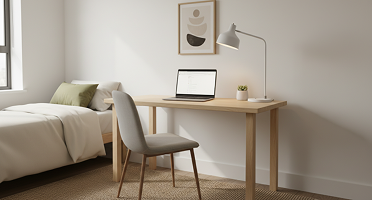
Single dorms give you privacy but not much extra space. The freedom to design your setup does not mean filling every corner. Efficiency still rules.
A customizable loft becomes even more valuable here because it allows you to zone your room. Sleep above. Work below. Storage where it actually fits. A Micro-Chill unit keeps you from leaving your room for every snack or meal, especially during long study stretches.
Focus on comfort, lighting, and tech access. Since you control the space, optimize for how you actually live, not how you think a dorm should look.
Checklist highlights
• Adjustable loft or raised bed
• Microwave and fridge combo
• Desk lamp with good lighting
• USB and power access near bed and desk
• Streamlined storage solutions
SUITE-STYLE DORM
Suite-style dorms feel like an upgrade, but they come with shared responsibility. More people. More stuff. More chances for clutter.
The priority here is defining personal space inside a shared setup. A loft still helps, especially if the bedroom area is tight. Micro-Chill units work best when placed intentionally so everyone can access them without crowding.
Storage should be clearly divided, and power access should be planned early. Suites feel bigger, but they get messy fast when no one plans layout or sharing.
Checklist highlights
• Space-saving bed setup
• Shared Micro-Chill or personal unit depending on layout
• Clearly labeled storage bins
• Power strips for shared spaces
• Easy-to-clean surfaces and mats
APARTMENT-STYLE DORM
Apartment-style dorms offer the most freedom, but they still have rules. The challenge here is avoiding overbuying just because you have more space.
You still benefit from a streamlined bedroom setup and space-saving furniture. Even with a kitchen, a personal microwave and fridge combo in your room saves trips and time. USB charging, cable management, and flexible storage matter just as much here as in smaller dorms.
Think long-term. This space should work for studying, sleeping, hosting, and surviving finals week without chaos.
Checklist highlights
• Functional bedroom furniture with storage
• Personal Micro-Chill unit
• Power and USB access throughout
• Storage that works beyond move-in
• Compact comfort upgrades
WHAT EVERY DORM TYPE NEEDS
No matter where you live, some things never change. Sleep quality matters. Power access matters. Smart storage matters. A room that functions will always beat one that just looks good.
Focus on items you will use weekly. If something does not earn its space, it does not belong in your room.
KEEPING YOUR STUFF ACTUALLY SAFE
Dorm rooms are shared, doors stay unlocked longer than they should, and people you do not know come and go. Whether it is roommates, friends of friends, or housing staff, valuables are never as private as you think.
That is where a dorm-safe setup stops being optional.
A compact, wide, strong box like Quickey Safe gives students a secure place to store things that should never be left out. Cash, cards, passports, hard drives, jewelry, and important documents all stay protected without turning your room into a fortress.
Unlike small lockboxes that barely fit anything, this safe is designed for real college life. The extra-wide opening easily fits laptops, iPads, cameras, and external hard drives. The steel locking bolts, concealed hinges, and pry-resistant door make it difficult to mess with, while the carpeted interior keeps electronics from getting scratched.
It can be securely attached to a bed frame or furniture using the included tether cable, which matters more than people realize in shared spaces. Multiple locking modes, a large LED display, and a mechanical override key keep access easy for you and impossible for everyone else.
WHAT TO BUY LATER
Move-in day does not need to solve everything. Live in your space for a few weeks and see what you actually miss. Extra organizers, décor, and accessories can wait. Real habits reveal real needs.
Buying in phases saves money and prevents dorm regret.
FINAL CHECK
Ask yourself three questions before packing or buying anything. Will I use this weekly? Does it save space or time? Can it adapt if my routine changes? If the answer is no, skip it.
THE TAKEAWAY
There is no perfect dorm checklist. There is only the right checklist for your dorm type. Start smart, keep it flexible, and build your space around how you actually live.
Move-in is easier when your setup works from day one.
Search Blog
Recent Posts

Search Blog
Get the latest dorm tips and product drops delivered to your inbox.
